CARING FOR A COMFORTER BEFORE AND AFTER WASHINGCaring for a Comforter Before and After Washing
A comforter that's been sitting unwashed for a season usually has two problems at once: visible spots and a general staleness that a home wash cycle never fully clears because the drum is too small to let it agitate. Bringing it in doesn't require any special prep - there's no need to pre-spot it at home first - but pointing out any specific stains to the attendant before the cycle starts means pretreatment gets applied in the right spot rather than guessed at.
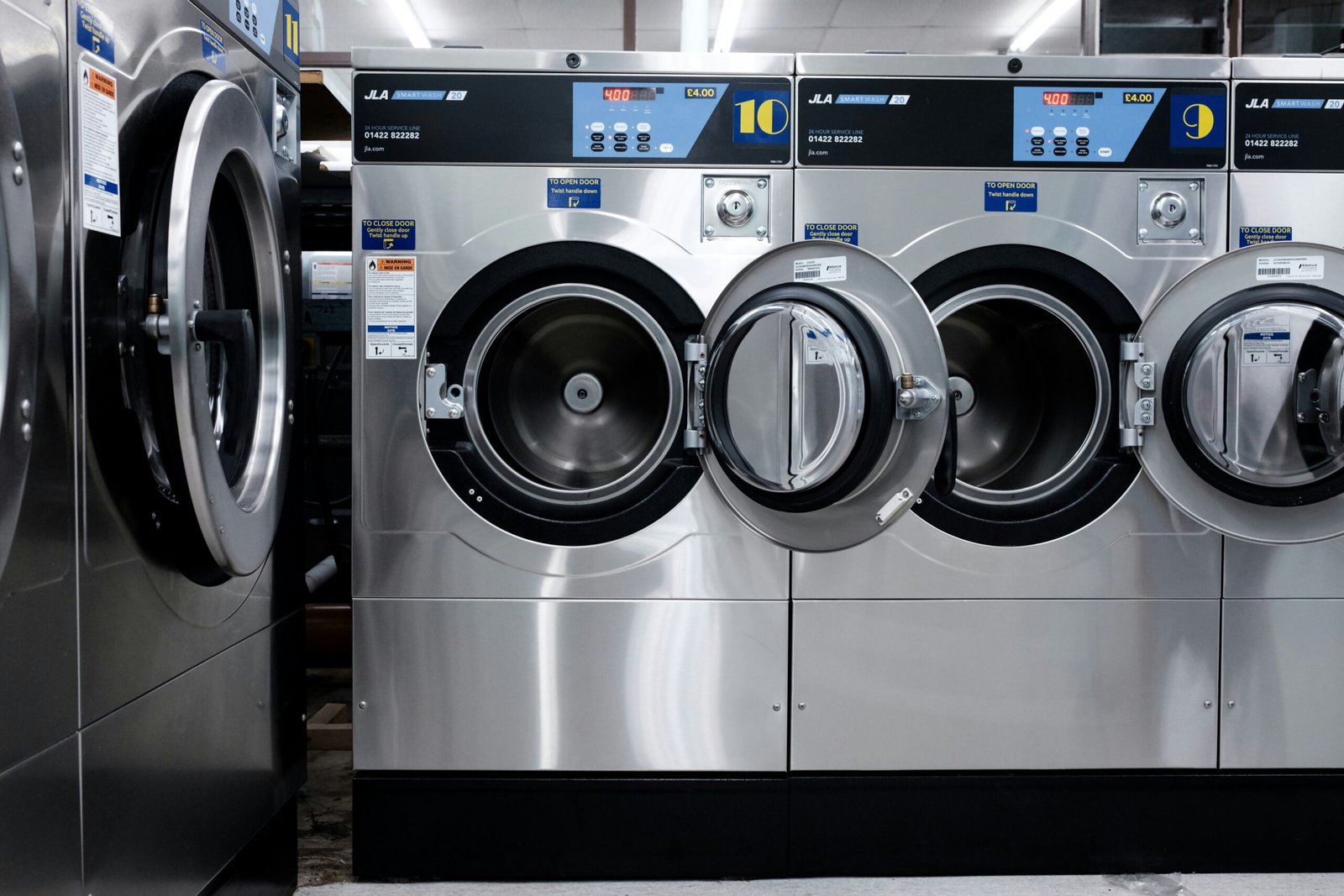
After washing, a comforter dries best in the matching large-capacity dryer rather than a standard one, for the same reason it needs a large-capacity washer: even heat distribution through a bigger drum. Pulling it out slightly damp and finishing the last few minutes at home is one of the more common mistakes people make with oversized bedding - it traps moisture inside the fill and can lead to a musty smell within days, which then requires another full wash to fix. Running the full dry cycle here the first time avoids that entirely.
Down and down-alternative comforters both go through the same large-capacity process, though down takes a few extra minutes to dry fully since the fill holds moisture longer than synthetic alternatives - budget slightly more time if that's what you're bringing in. Wool-filled and other specialty comforters may have different care requirements; check the care tag or ask the attendant if you're not sure a specific comforter is machine-washable at all before starting a cycle, since not every fill type is.
Between washes, airing a comforter out for an hour before storage and keeping it in a breathable bag rather than sealed plastic helps it stay fresh longer - useful to know if you're washing a seasonal comforter that's about to go into storage for several months.
Call With Questions